 HealthSpark Studio
Balanced Diet Plan — Eat Well, Feel Better, Perform Stronger
A practical, evidence-informed balanced diet plan with meal plans, shopping lists, recipes, and strategies for long-term success. Updated for 2025 with expert guidance from HealthSpark Studio.
Why a Balanced Diet Matters

Nutrition underpins every physiological system — energy, immunity, musculoskeletal health, and brain function. A balanced diet reduces long-term chronic disease risk (e.g., cardiovascular disease, type 2 diabetes, osteoporosis), supports daily performance, enhances mood, and helps maintain a healthy weight.
Research shows that diets rich in whole foods improve metabolic health, reduce inflammation, and support mental clarity. A 2023 meta-analysis found that balanced diets with adequate protein and fiber lower the risk of obesity by up to 30% (DOI: 10.1007/s00394-022-03018-1).
Core Principles
A balanced diet is built on sustainable habits that support health and performance without restrictive rules. Here are the key principles:
- Variety: Different foods supply diverse micronutrients and phytochemicals, reducing deficiency risks and enhancing overall health.
- Protein Across Meals: Supports muscle repair, immune function, and satiety, reducing overeating.
- Fiber-Rich Carbs: Promote gut health, stabilize blood sugar, and provide sustained energy.
- Healthy Fats: Essential for hormone production, brain health, and absorption of fat-soluble vitamins (A, D, E, K).
- Hydration & Sleep: Critical partners to diet, aiding appetite regulation, recovery, and metabolic function.
- Moderation: Balance indulgence with nutrient-dense choices to maintain long-term adherence.
Macronutrients — Targets & Practical Advice
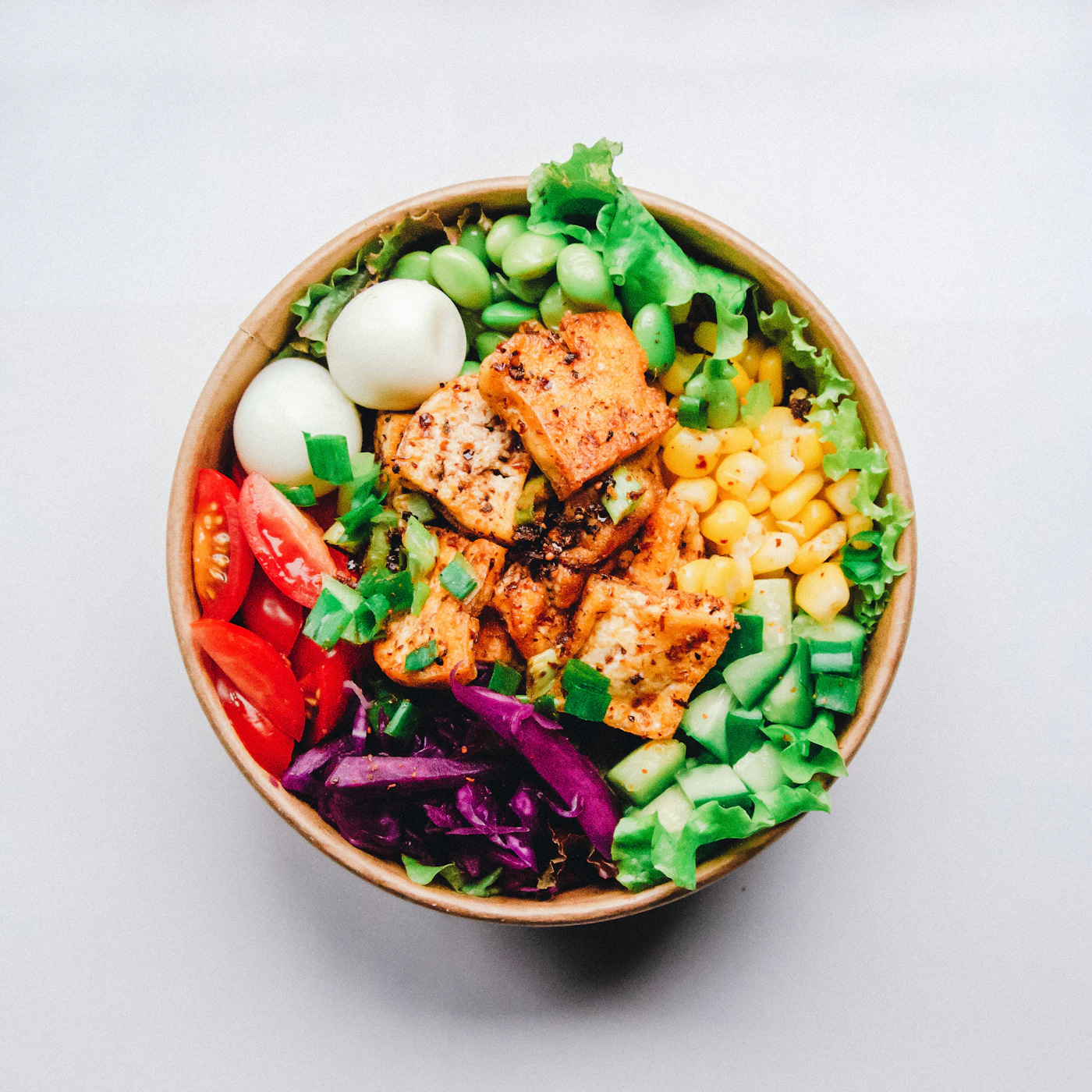
Protein — The Priority
Why: Essential for muscle repair, immune function, satiety, and body composition. Adequate protein preserves lean mass during weight loss.
Target: Active adults: 1.2–2.0 g/kg/day; older adults or those in a calorie deficit: 1.6–2.2 g/kg. Example: a 70 kg person needs 84–140 g/day.
Practical: Include 20–40 g protein per main meal. Examples:
- 100 g chicken breast: ~31 g protein
- 150 g Greek yogurt: ~15 g protein
- 1 cup cooked lentils: ~18 g protein
- 2 large eggs: ~12 g protein
Carbohydrates — Fuel and Recovery
Why: Primary fuel for high-intensity activity, brain function, and glycogen replenishment.
Target: Recreational exercisers: 3–5 g/kg/day; high training loads: 5–8 g/kg/day. Example: a 70 kg person needs 210–350 g/day for moderate activity.
Practical: Choose fiber-rich sources (oats, quinoa, sweet potatoes) and adjust based on training intensity.
Fats — Essential
Why: Support hormones, cell membranes, satiety, and absorption of fat-soluble vitamins.
Target: 20–35% of total calories; prioritize unsaturated fats (olive oil, nuts, avocados, fatty fish).
Practical: Include 1–2 thumb-sized portions per meal (e.g., 1 tbsp olive oil, ¼ avocado).
Micronutrients — What to Watch
A varied diet covers most micronutrient needs, but certain nutrients require attention, especially for specific populations or restrictive diets.
| Nutrient | Role | Food Sources | Notes |
|---|---|---|---|
| Iron | Oxygen transport, energy | Red meat, lentils, spinach | Pair plant sources with vitamin C for better absorption. |
| Vitamin D | Bone health, immunity | Fatty fish, fortified milk | Supplement if low sun exposure; test levels annually. |
| Calcium | Bone health, muscle function | Dairy, fortified plant milk, leafy greens | Critical for women and older adults. |
| Vitamin B12 | Nervous system, blood health | Animal products, fortified foods | Vegans should supplement or use fortified foods. |
| Magnesium | Muscle relaxation, energy | Nuts, seeds, whole grains | Supports sleep and recovery. |
Symptoms like fatigue, hair loss, or poor recovery may indicate deficiencies. Consult a clinician for blood tests if following restrictive diets (e.g., vegan, low-carb).
Calories & Portion Control
Energy balance determines weight change. Sustainable calorie adjustments are key:
- Fat Loss: Modest deficit of 300–500 kcal/day.
- Muscle Gain: Modest surplus of 200–300 kcal/day.
- Maintenance: Match intake to expenditure.
Hand-Portion Guide
Use your hand for intuitive portion control, scalable to your size:
- Protein: Palm-sized portion per meal (e.g., 100–150 g chicken).
- Carbs: Fist or cupped hand (e.g., ½–1 cup cooked rice).
- Vegetables: Two fists (e.g., 2 cups leafy greens).
- Fats: Thumb-sized (e.g., 1 tbsp olive oil).
12-Week Progressive Meal Plan — Overview
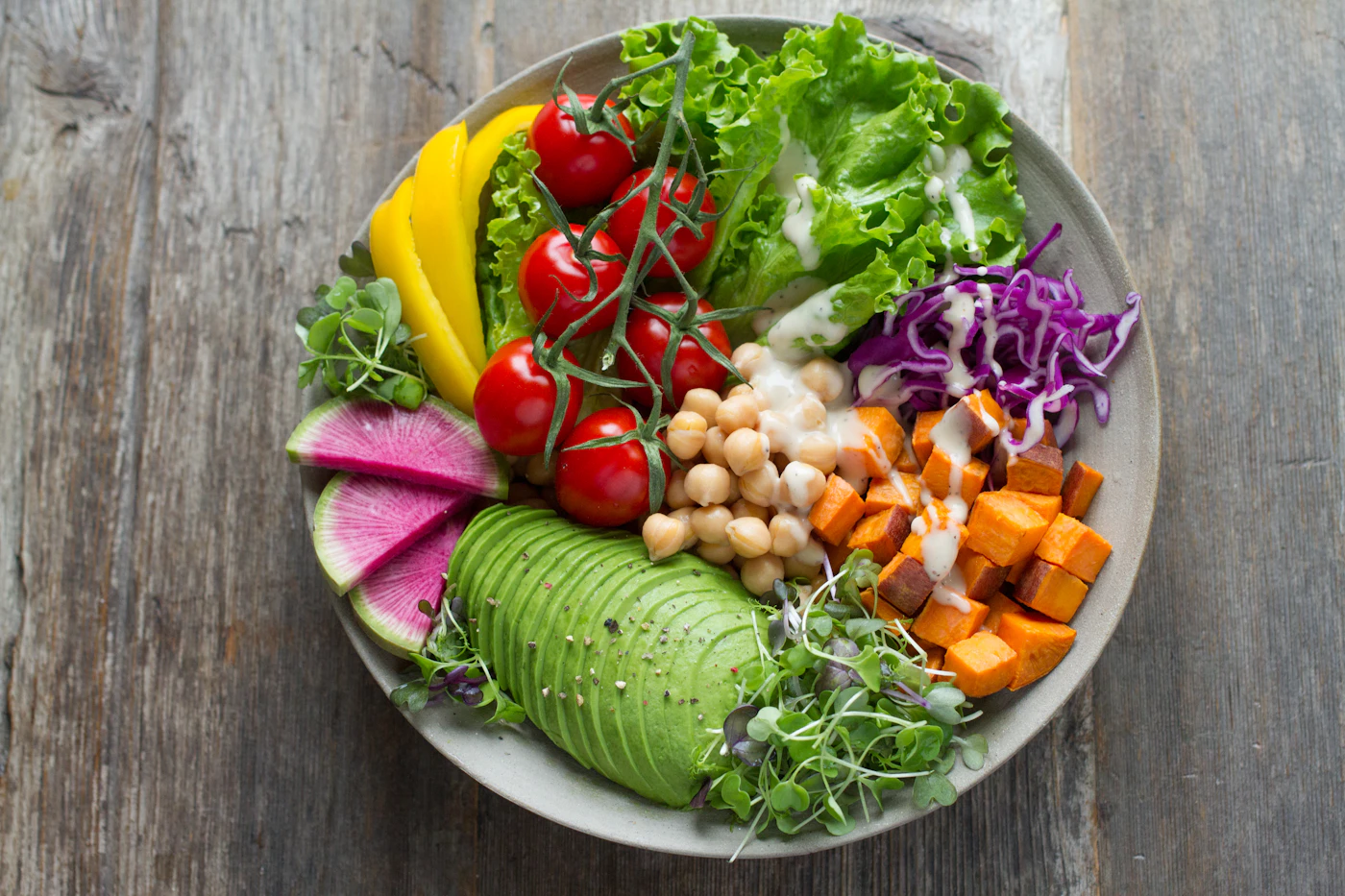
This 12-week plan builds sustainable eating habits, supports performance, and adjusts calories/macros to your goals. Personalize based on body size, activity, and objectives (weight loss, muscle gain, or maintenance).
Weeks 1–4: Foundation
- Establish consistent meal timing (3–4 meals/day).
- Aim for 5+ portions of vegetables/day (1 portion = 80 g).
- Set protein baseline: 1.2 g/kg/day (e.g., 84 g for 70 kg person).
- Start one batch-cooking session/week (e.g., roast veg, cook grains).
Weeks 5–8: Progression
- Increase protein to 1.4–1.8 g/kg for strength training or weight loss.
- Add one high-carb day/week for training (e.g., 5–6 g/kg carbs).
- Incorporate new recipes for variety (try one new dish/week).
- Refine portions using hand-portion guide.
Weeks 9–12: Optimization
- Fat Loss: Moderate calorie deficit (300–500 kcal/day), prioritize protein (1.6–2.0 g/kg).
- Muscle Gain: Mild calorie surplus (200–300 kcal/day), pair with resistance training.
- Maintenance: Fine-tune based on energy, weight, and recovery.
- Track progress: Monitor weight, energy levels, and performance weekly.
Sample Weekly Template (Moderate Activity, ~2000 kcal/day)
| Meal | Example | Approx. Macros |
|---|---|---|
| Breakfast | Oats + milk + Greek yogurt + berries + 1 tbsp chia seeds | P: 20–30 g, C: 40–60 g, F: 10–15 g |
| Snack | Apple + 20 g almonds | P: 5–8 g, C: 15–20 g, F: 8–12 g |
| Lunch | Quinoa + 120 g chicken/tofu + mixed veg + 1 tbsp olive oil | P: 30–40 g, C: 40–60 g, F: 12–18 g |
| Snack | Rice cake + 1 tbsp peanut butter | P: 5–10 g, C: 20–30 g, F: 6–10 g |
| Dinner | 120 g salmon or legume stew + mixed veg + sweet potato | P: 25–40 g, C: 40–60 g, F: 10–20 g |
Recipes & Meal Ideas
These simple, scalable recipes are designed for easy preparation, batch cooking, and family-friendly meals. Each serves as a foundation you can adapt to preferences or dietary needs.
Overnight Oats (Serves 1)
Ingredients:
- 50 g rolled oats
- 180 ml milk or plant-based milk
- 100 g Greek yogurt
- 1 tbsp chia seeds
- 80 g mixed berries (fresh or frozen)
- Optional: 1 tsp honey or 10 g nut butter
Method:
1. Combine oats, milk, yogurt, and chia seeds in a jar or container.
2. Stir well, cover, and refrigerate overnight (or at least 4 hours).
3. Top with berries and optional honey/nut butter before serving.
Macros (approx.): P: 20 g, C: 45 g, F: 10 g
One-Pan Roasted Chicken & Vegetables (Serves 4)
Ingredients:
- 4 chicken thighs or breasts (600 g total)
- 600 g mixed vegetables (peppers, carrots, zucchini)
- 2 tbsp olive oil
- 1 tsp dried herbs (thyme, rosemary), salt, pepper
Method:
1. Preheat oven to 200°C (400°F).
2. Toss vegetables with 1 tbsp oil, herbs, salt, and pepper; spread on a baking tray.
3. Rub chicken with 1 tbsp oil, season, and place on tray.
4. Roast for 25–35 minutes until chicken is cooked (internal temp 75°C/165°F).
5. Serve with 100 g cooked grains (e.g., quinoa, rice) per portion.
Macros (approx. per serving): P: 35 g, C: 30 g, F: 15 g
Quick Tuna & Bean Salad (Serves 2)
Ingredients:
- 1 can (120 g) tuna, drained
- 1 can (240 g) cannellini beans, rinsed
- 100 g cherry tomatoes, halved
- 50 g red onion, finely chopped
- 2 tbsp chopped parsley
- 1 tbsp olive oil, juice of 1 lemon, salt, pepper
Method:
1. Mix all ingredients in a bowl.
2. Serve on a bed of greens or with whole-grain toast.
Macros (approx. per serving): P: 25 g, C: 30 g, F: 10 g
Vegan Lentil Curry (Serves 4)
Ingredients:
- 200 g dry red lentils, rinsed
- 1 can (400 ml) coconut milk
- 400 g mixed vegetables (carrots, spinach, peppers)
- 1 onion, diced
- 2 garlic cloves, minced
- 1 tbsp curry powder, 1 tsp turmeric, salt
- 1 tbsp olive oil
Method:
1. Sauté onion and garlic in oil until soft (5 min).
2. Add spices, stir for 1 min, then add lentils, coconut milk, and 500 ml water.
3. Simmer 20–25 min until lentils are soft; add vegetables for last 10 min.
4. Serve with 100 g cooked brown rice per portion.
Macros (approx. per serving): P: 20 g, C: 50 g, F: 15 g
Meal Prep, Shopping Lists & Batch Cooking
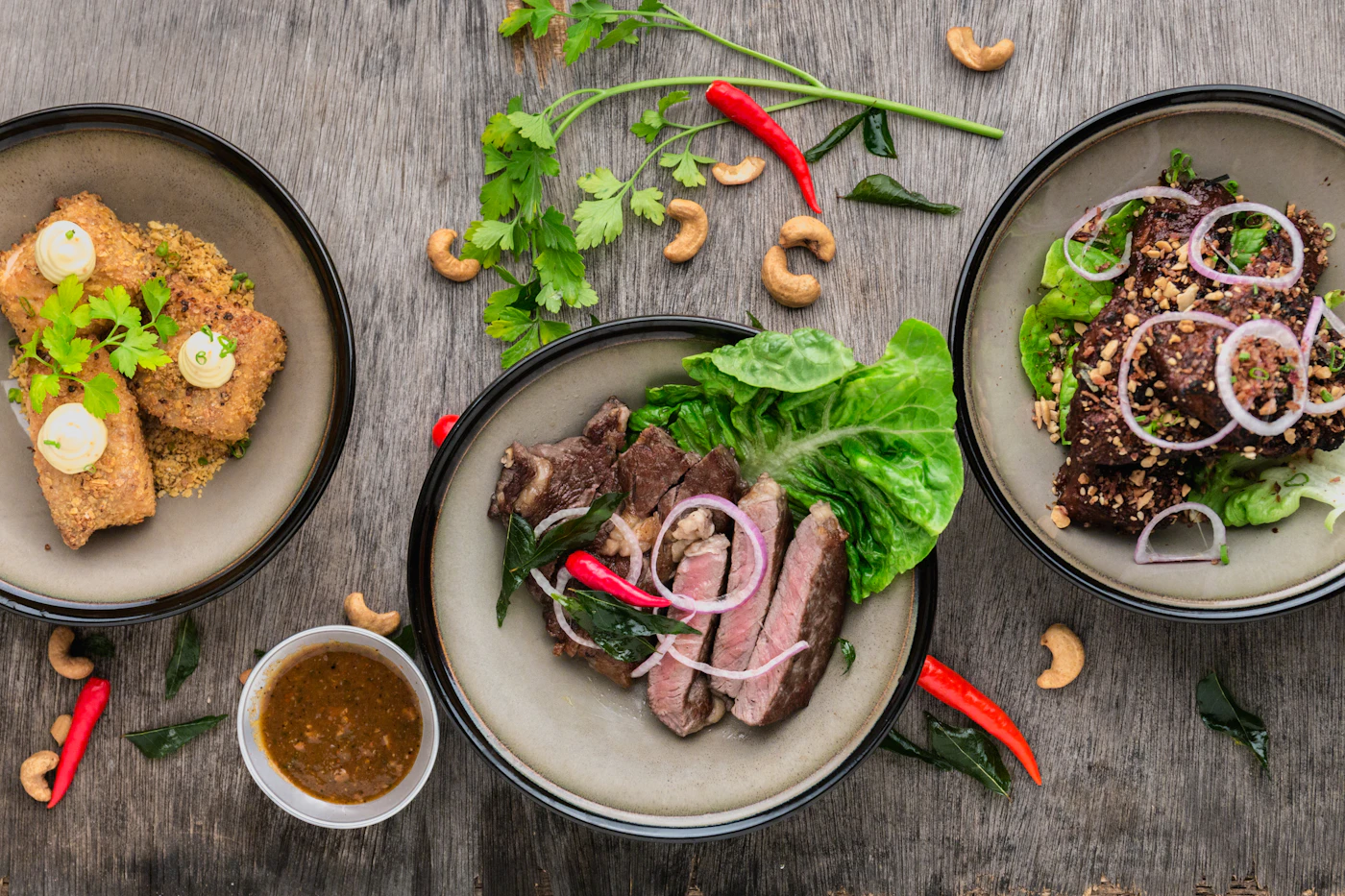
Weekly Base Shopping List
Stock your pantry with versatile, nutrient-dense staples for flexibility.
Proteins
- Chicken breast/thighs (1 kg)
- Salmon or white fish (500 g)
- Eggs (12–18)
- Greek yogurt (500 g)
- Tofu or tempeh (400 g)
- Canned beans/lentils (2–3 cans)
Carbohydrates & Pantry
- Rolled oats (500 g)
- Brown rice or quinoa (500 g)
- Whole wheat pasta (400 g)
- Sweet or regular potatoes (1 kg)
- Canned tomatoes (2 cans)
- Rice cakes (1 pack)
Vegetables & Fruit
- Leafy greens (spinach, kale, 500 g)
- Bell peppers (3–4)
- Broccoli or zucchini (500 g)
- Apples or bananas (6–8)
- Frozen berries (500 g)
- Carrots or cherry tomatoes (500 g)
Fats & Extras
- Olive oil (250 ml)
- Almonds or walnuts (200 g)
- Chia or flax seeds (100 g)
- Avocado (2–3)
- Spices (curry, paprika, thyme)
- Peanut butter or tahini (200 g)
Batch Cooking Strategy
- Roast two trays of mixed vegetables (season with olive oil, salt, herbs).
- Cook a large pot of grains (brown rice, quinoa, or barley).
- Prepare two proteins (e.g., baked chicken and tofu or lentils).
- Portion into containers with sauce/dressing on the side to maintain freshness.
- Store in fridge (3–4 days) or freeze portions for up to 1 month.
Supplements — Evidence-Based Notes
Whole foods should be the foundation, but supplements can address specific needs or fill gaps. Evidence supports the following:
- Protein Powder: Convenient for meeting protein targets, especially post-workout or for busy schedules (20–30 g/serving).
- Creatine Monohydrate: 3–5 g/day improves strength, lean mass, and cognitive function (DOI: 10.3390/nu12082449).
- Vitamin D: 1000–2000 IU/day if low sun exposure or deficient; supports bone and immune health.
- Iron: Supplement only with confirmed deficiency (blood test); critical for vegetarians or women with heavy periods.
- Omega-3 (Fish Oil): 1–2 g/day EPA/DHA for heart health and inflammation control.
Choose third-party tested supplements (e.g., NSF, Informed Choice). Consult a clinician for medical conditions, pregnancy, or interactions with medications.
Special Populations — Tailored Guidance
Different groups have unique nutritional needs. Below are tailored recommendations:
Vegetarians & Vegans
- Protein: Combine beans, lentils, tofu, tempeh, and fortified plant milks (aim for 1.4–2.0 g/kg).
- B12: Supplement (1000 mcg/day or 2500 mcg/week) or use fortified foods.
- Iron: Pair plant sources (lentils, spinach) with vitamin C (citrus, peppers).
- Omega-3: Consider algae-based DHA/EPA supplements (200–300 mg/day).
Older Adults (65+)
- Protein: Aim for 1.6–2.2 g/kg to preserve muscle mass (DOI: 10.3390/nu10080960).
- Calcium & Vitamin D: Prioritize for bone health (dairy, fortified foods, supplements if needed).
- Hydration: Monitor intake, as thirst cues may diminish with age.
Athletes
- Carbohydrates: 5–8 g/kg/day for high-intensity training; time carbs around workouts.
- Protein: 1.6–2.2 g/kg, spread across 4–5 meals for optimal muscle synthesis.
- Hydration: Monitor sweat loss; include electrolytes for long sessions.
Pregnant Women
- Calories: Add ~300–500 kcal/day in 2nd/3rd trimesters.
- Folate: 600–800 mcg/day (leafy greens, fortified grains, supplements).
- Iron: 27 mg/day; consult clinician for supplementation.
- Protein: Aim for 1.1–1.5 g/kg/day.
Behavioral Strategies & Tracking

Start Small
- Focus on one habit at a time (e.g., add a vegetable to every lunch).
- Use habit stacking: Pair new habits with existing routines (e.g., prep lunch after breakfast).
- Be forgiving: Lapses are normal; return to routine without guilt.
- Plan for challenges: Keep portable snacks (nuts, fruit) for busy days.
Tracking Tools
Short-term tracking increases awareness; long-term, focus on process goals:
- Apps: MyFitnessPal, Cronometer for calories/macros.
- Photo Diaries: Snap meals to visualize portions and variety.
- Process Metrics: Track balanced meals, protein per meal, or vegetable portions.
- Body Metrics: Monitor weight, energy, and performance weekly, not daily.
Interactive Calorie & Macro Calculator
Estimate your maintenance calories and suggested macros. Adjust based on results and goals.
FAQs
Consistency matters more than perfection. Aim for 80% adherence to nutrient-dense choices and allow 20% flexibility for treats or social occasions. Sustainable habits trump restrictive diets.
Intermittent fasting can work for some, but it’s not inherently superior to consistent, balanced eating. Choose a method that fits your lifestyle and supports training/recovery (DOI: 10.1002/oby.23127).
Focus on affordable staples: oats, eggs, canned beans, frozen vegetables, and bulk rice. Batch-cook to save time and money. Shop sales and prioritize seasonal produce.
Yes, choose grilled proteins, vegetable sides, and whole-grain options when possible. Ask for dressings/sauces on the side and use the hand-portion guide to estimate portions.
Address cravings by ensuring adequate protein and fiber, staying hydrated, and including small portions of favorite foods. Cravings may signal nutrient gaps or insufficient calories.
Resources & Next Steps
Take your nutrition journey further with these resources and actions:
- Consult a registered dietitian for personalized guidance, especially for medical conditions or allergies.
- Use the provided downloads (shopping list, 12-week planner, recipe cards) for quick reference and planning.
- Explore HealthSpark Studio’s Nutrition & Healthy Eating section for additional tips.
- Join a local or online nutrition community for support and accountability.
- Read evidence-based books like “How Not to Die” by Michael Greger for deeper insights.